Top 3 Benefits of C-TPAT Audits
Supply chain security has become a top priority for businesses, governments, and regulatory authorities. One of the most effective frameworks for achieving this is the Customs Trade Partnership Against Terrorism (C-TPAT), a voluntary program led by the U.S. Customs and Border Protection (CBP). It focuses on strengthening international supply chains and improving border security.
C-TPAT audits (validations and assessments) evaluate how well an organization complies with security standards. C-TPAT audits offer far more than just regulatory alignment. They provide strategic advantages that enhance operational efficiency, reduce risks, and improve global trade performance.
In this comprehensive guide, we will explore the top 3 benefits of C-TPAT audits, along with practical insights on how they impact your business.
What Is C-TPAT? Understanding Its Importance in Global Supply Chain Security
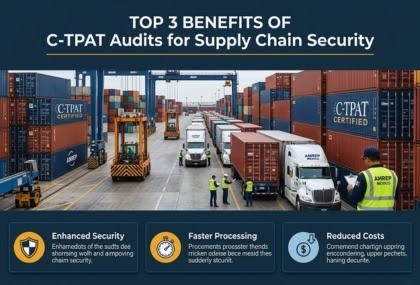
C-TPAT is a partnership between CBP and the private sector, where companies commit to improving the security of their supply chains in exchange for certain benefits.
Key Objectives of C-TPAT
- Prevent illegal activities such as smuggling and terrorism
- Enhance supply chain visibility and control
- Strengthen cooperation between businesses and customs authorities
- Facilitate faster and more secure trade
Who Should Participate?
C-TPAT is relevant for:
- Importers and exporters
- Manufacturers
- Customs brokers
- Freight forwarders
- Third-party logistics providers (3PLs)
Participation is voluntary, but the advantages are significant, especially for companies engaged in international trade with the United States.
What Are C-TPAT Audits?
C-TPAT audits, often referred to as validations, are conducted by CBP to ensure that participating companies are adhering to program requirements.
These audits assess:
- Physical security
- Personnel security
- Procedural security
- IT and cybersecurity controls
- Supplier and partner compliance
Audits are not one-time events. Organizations must continuously maintain compliance and be prepared for periodic reviews.
Top 3 Benefits of C-TPAT Audits
C-TPAT audits deliver tangible advantages that enhance security, streamline operations, and create a more resilient and competitive supply chain.
1. Enhanced Supply Chain Security
The most immediate and critical benefit of C-TPAT audits is the strengthening of your supply chain security.
Why It Matters
Supply chains are increasingly complex, involving multiple stakeholders across different countries. This complexity creates vulnerabilities that can be exploited by criminals.
C-TPAT audits help identify and eliminate these vulnerabilities.
Key Improvements
- Stronger access controls at facilities
- Improved cargo inspection procedures
- Better employee screening processes
- Enhanced monitoring and surveillance systems
Real Impact
By implementing C-TPAT recommendations, organizations can significantly reduce risks such as:
- Cargo theft
- Counterfeit goods infiltration
- Unauthorized access
- Supply chain disruptions
Long-Term Value
A secure supply chain not only protects your business but also builds trust with partners, customers, and regulatory authorities.
2. Faster Customs Clearance and Reduced Inspections
One of the most attractive benefits of C-TPAT participation is expedited processing at U.S. borders.
How It Works
C-TPAT-certified companies are considered low-risk by CBP. As a result, they receive:
- Fewer cargo inspections
- Priority processing at ports of entry
- Access to Free and Secure Trade (FAST) lanes
Business Advantages
- Reduced delays in shipments
- Lower storage and demurrage costs
- Improved delivery timelines
- Greater reliability in supply chain operations
Competitive Edge
In industries where timing is critical, faster customs clearance can be a major differentiator. It allows businesses to:
- Meet customer expectations
- Maintain consistent inventory levels
- Avoid costly disruptions
3. Improved Operational Efficiency and Risk Management
C-TPAT audits require organizations to evaluate and optimize their internal processes, leading to greater efficiency.
Process Optimization
During audits, companies often identify inefficiencies such as:
- Redundant procedures
- Poor documentation practices
- Lack of standardization
Addressing these issues results in:
- Streamlined workflows
- Better coordination across teams
- Reduced operational costs
Risk Management
C-TPAT emphasizes a risk-based approach, helping organizations:
- Identify potential threats
- Assess vulnerabilities
- Implement mitigation strategies
This proactive approach reduces the likelihood of:
- Compliance violations
- Financial losses
- Reputational damage
Organizational Benefits
- Improved decision-making
- Stronger internal controls
- Enhanced accountability
Additional Benefits of C-TPAT Audits
While the top three benefits are the most significant, there are several additional advantages worth noting.
Stronger Business Reputation
C-TPAT certification signals that your organization is committed to security and compliance. This enhances credibility with:
- Customers
- Partners
- Regulatory bodies
Better Supplier Relationships
C-TPAT requires organizations to ensure that their suppliers also meet security standards.
This leads to:
- Stronger collaboration
- Increased transparency
- Improved overall supply chain performance
Alignment with Global Standards
C-TPAT aligns with other international security programs, making it easier for organizations to operate globally.
Challenges in C-TPAT Audit Preparation
While C-TPAT audits offer significant advantages, preparing for them can be demanding, especially for organizations managing complex and global supply chains. Recognizing these challenges early allows you to address them proactively and avoid last-minute compliance issues.
Common Challenges
Understanding Complex Requirements
C-TPAT guidelines can be detailed and difficult to interpret, particularly for organizations new to the program.
Coordinating Across Multiple Stakeholders
Ensuring alignment between internal teams, suppliers, logistics partners, and third parties can be challenging.
Maintaining Consistent Documentation
Incomplete, outdated, or inconsistent records are a frequent issue during audits.
Ensuring Supplier Compliance
Verifying that all supply chain partners meet C-TPAT security requirements can be time-consuming and difficult to enforce.
How to Overcome These Challenges
Develop a Structured Compliance Plan
Break requirements into manageable steps and create a clear roadmap for implementation.
Invest in Employee Training
Regular training ensures that all team members understand security protocols and their responsibilities.
Leverage Digital Tools
Use technology to track compliance, manage documentation, and monitor supply chain activities in real time.
Conduct Internal Audits
Regular internal reviews help identify gaps early and ensure continuous improvement.
C-TPAT audit preparation may seem complex, but with a structured approach, the right tools, and strong coordination, organizations can turn these challenges into opportunities for building a more secure and efficient supply chain.
Best Practices for C-TPAT Audit Success
To fully benefit from C-TPAT audits, organizations must move beyond basic compliance and adopt a proactive, well-structured approach to supply chain security. Implementing the following best practices can significantly improve audit outcomes and long-term operational performance.
1. Conduct Regular Risk Assessments
A strong security framework begins with understanding potential risks.
Best Practice:
Continuously identify vulnerabilities across your supply chain, assess their impact, and implement mitigation strategies. Regular reviews ensure your security measures remain effective as operations evolve.
2. Maintain Strong Documentation
Accurate and well-organized documentation is essential for audit success.
Best Practice:
Ensure all policies, procedures, and records are up to date, properly controlled, and easily accessible. Clear documentation demonstrates consistency and compliance during audits.
3. Invest in Employee Training
Employees play a critical role in maintaining supply chain security.
Best Practice:
Provide ongoing training on security protocols, threat awareness, and reporting procedures. A well-informed workforce reduces risks and strengthens compliance.
4. Monitor and Evaluate Suppliers
Your supply chain is only as secure as its weakest link.
Best Practice:
Regularly assess supplier performance, verify compliance with C-TPAT requirements, and maintain clear communication to ensure alignment on security standards.
5. Leverage Technology for Visibility and Control
Technology enhances efficiency and strengthens oversight.
Best Practice:
Use digital tools to track shipments, monitor compliance, manage documentation, and gain real-time visibility into supply chain activities.
C-TPAT audit success is not achieved through one-time efforts but through consistent, proactive management of security practices. Organizations that integrate these best practices into daily operations are better prepared for audits and more resilient against supply chain risks.
The Role of Technology in C-TPAT Compliance
Modern technology plays a critical role in achieving and maintaining C-TPAT compliance.
Key Technologies Supporting C-TPAT
Supply Chain Management Software
Provides end-to-end visibility of goods, tracks shipments in real time, and helps identify potential disruptions or security risks.
Surveillance Systems
Cameras and monitoring tools strengthen physical security by tracking activities within facilities and deterring unauthorized access.
Access Control Systems
Restrict and monitor entry to sensitive areas, ensuring only authorized personnel can access critical operations.
Data Analytics Tools
Analyze patterns, detect anomalies, and support risk-based decision-making for better supply chain control.
Key Benefits of Technology
Enhanced Visibility
Real-time tracking and monitoring provide greater transparency across the supply chain.
Improved Efficiency
Automation reduces manual processes, minimizes errors, and speeds up compliance activities.
Stronger Security
Integrated systems help detect threats early and prevent potential breaches.
Organizations that leverage technology effectively can move from reactive compliance to proactive security management. By integrating digital tools into their operations, they not only meet C-TPAT requirements but also build a more resilient and future-ready supply chain.
For a structured approach to managing supply chain risks, explore supply chain risk management policies, including key components and templates.
Future of Supply Chain Security and C-TPAT
Programs like Customs Trade Partnership Against Terrorism (C-TPAT) will continue to adapt, placing greater emphasis on technology, real-time visibility, and global collaboration.
Emerging Trends Shaping the Future
Increased Use of AI and Automation
Artificial intelligence and automation are enabling faster risk detection, predictive analytics, and smarter decision-making across supply chains.
Greater Emphasis on Cybersecurity
As supply chains become more digital, protecting sensitive data and systems from cyber threats is becoming a critical focus area for audits and compliance.
Integration with Global Security Programs
C-TPAT is increasingly aligning with international security frameworks, making it easier for organizations to operate across borders while maintaining consistent standards.
Real-Time Monitoring and Visibility
Advanced tracking systems and digital platforms allow organizations to monitor shipments, detect anomalies, and respond to risks instantly.
The future of supply chain security lies in proactive, technology-driven strategies. Organizations that embrace these trends will not only meet evolving C-TPAT requirements but also build more resilient, efficient, and competitive global operations.
To better understand supplier evaluations, you can also explore our guide on what a second-party audit is and how it helps assess vendor compliance and performance.
Achieve C-TPAT Audit Success with AMREP Mexico
C-TPAT audits are not just a regulatory requirement, they are a strategic opportunity for organizations to strengthen their supply chains, improve efficiency, and gain a competitive edge.
The top three benefits, enhanced security, faster customs clearance, and improved operational efficiency, demonstrate the value of participating in the program. Organizations that invest in C-TPAT compliance not only protect their operations but also position themselves as trusted partners in global trade.
AMREP Mexico supplier management services help businesses to navigate the complexities of C-TPAT requirements with confidence. Our expertise ensures that your organization is not only audit-ready but also equipped with systems and processes that drive lasting value.