How to Raise the Bar on Furniture Quality with Manufacturing Process Audits
Raising the bar on furniture quality starts within the manufacturing process, not at final inspection. The most effective way to improve quality is through process audits that identify gaps in materials, methods, machinery, and workforce practices before defects occur. Instead of reacting after production, these audits help standardize operations, control variation, and ensure every stage meets quality benchmarks.
By embedding audits into production, manufacturers can improve durability, achieve consistent finishes, and reduce rework and returns. In simple terms, better processes driven by audits lead to better furniture quality.
This guide explains how manufacturing process audits can systematically elevate furniture quality and how to implement them effectively.
What Are Manufacturing Process Audits in Furniture Production?
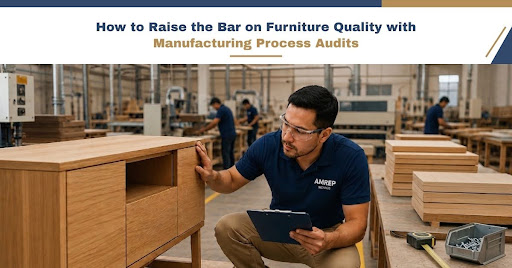
Manufacturing process audits are structured evaluations of how furniture is actually produced on the factory floor. They focus on verifying whether each step in production is controlled, consistent, and capable of meeting defined quality standards.
In furniture manufacturing, this includes:
- Raw material selection (wood, metal, foam, fabrics)
- Cutting, shaping, and machining
- Assembly processes
- Surface finishing (painting, polishing, coating)
- Packaging and storage
Unlike final inspections, which catch defects after production, process audits aim to prevent defects before they occur.
Why Furniture Quality Often Falls Short
Before improving quality, it’s important to understand where things typically go wrong.
1. Inconsistent Raw Materials
Wood moisture content, fabric quality, and foam density can vary significantly. Without strict controls, this leads to:
- Warping or cracking
- Uneven finishes
- Reduced durability
2. Lack of Standardized Processes
Different operators may follow different methods, causing inconsistency in:
- Assembly strength
- Dimensions
- Surface quality
3. Poor Equipment Maintenance
Outdated or poorly maintained machinery can result in:
- Rough edges
- Misaligned joints
- Defective cuts
4. Weak Quality Control Systems
If quality checks are only done at the end:
- Defects accumulate unnoticed
- Rework costs increase
- Entire batches may be rejected
5. Limited Traceability
Without proper documentation:
- Root cause analysis becomes difficult
- Recurring issues remain unresolved
Manufacturing process audits directly address these gaps.
Types of Furniture Audits Across Production Stages
Furniture quality is controlled across multiple stages, not just at the end. Different audits are used throughout production to reduce risk and maintain consistency.
- Pre-production: Checks supplier readiness, materials, and production planning before manufacturing starts.
- In-process: Monitors production in real time to catch issues early and maintain process control.
- Pre-shipment: Verifies finished products meet specifications before dispatch.
- Process: Evaluates how products are made to ensure consistency and repeatability.
Using these audits together provides full visibility and better control across the production lifecycle.
Core Areas to Audit in Furniture Manufacturing
To effectively raise furniture quality, process audits must focus on the stages where defects are most likely to originate.
1. Raw Material Control
Quality starts with materials.
What to audit:
- Wood species verification and grading
- Moisture content (ideally 6–12% depending on environment)
- Metal thickness and treatment
- Foam density and resilience
- Fabric durability and colorfastness
Impact on quality:
Better raw material control reduces structural failures and improves product lifespan.
2. Cutting and Machining Processes
Precision at this stage determines structural integrity.
What to audit:
- Accuracy of cutting dimensions
- Machine calibration
- Tool sharpness and maintenance
- Waste management
Common issues:
- Uneven cuts
- Splintering
- Poor joint fitting
Improvement outcome:
Higher precision leads to stronger assembly and reduced material waste.
3. Assembly Line Efficiency
Assembly is where structural quality is defined.
What to audit:
- Joint techniques (dovetail, mortise & tenon, screws, adhesives)
- Glue application consistency
- Clamping time and pressure
- Worker skill levels
Risks:
- Weak joints
- Misalignment
- Structural instability
Best practice:
Standardize assembly methods and train workers consistently.
4. Surface Finishing and Coating
This stage impacts both aesthetics and durability.
What to audit:
- Sanding quality
- Paint or coating thickness
- Drying/curing times
- Environmental conditions (dust, humidity)
Common defects:
- Uneven finish
- Peeling or cracking
- Color inconsistency
Result:
Improved finishing enhances perceived value and protects the product.
5. In-Process Quality Checks
Quality shouldn’t wait until the end.
What to audit:
- Frequency of inspections during production
- Use of checklists and SOPs
- Defect reporting systems
Key insight:
Early detection reduces rework and scrap rates significantly.
6. Final Inspection vs Process Audit
Many manufacturers rely heavily on final inspections, but this approach has limitations.
| Aspect | Final Inspection | Process Audit |
|---|---|---|
| Timing | After production | During production |
| Focus | Detect defects | Prevent defects |
| Cost impact | High (rework/rejects) | Lower (early correction) |
| Effectiveness | Reactive | Proactive |
Conclusion:
Final inspections are necessary but insufficient without strong process audits.
Furniture Quality Standards and Compliance Requirements
To ensure consistent and export-ready quality, process audits should align with recognized industry standards.
ISO 9001 for Quality Management
ISO 9001 focuses on process consistency, documentation, and continuous improvement. Aligning audits with it ensures controlled, traceable, and repeatable production.
BIFMA Standards for Furniture Performance
BIFMA sets requirements for strength, durability, and safety, especially for commercial furniture. Including these in audits helps validate real-world performance.
ASTM and EN Testing Standards
ASTM and EN standards cover material performance, safety, and durability testing. They are essential for meeting US and European market requirements.
Aligning process audits with these standards ensures compliance, reduces risk, and increases buyer confidence in product quality.
How to Conduct a Furniture Process Audit: Step-by-Step Process
Conducting a process audit requires observing how production actually runs and identifying gaps between defined procedures and real execution.
Step 1: Define Audit Scope
Identify:
- Product types (e.g., wooden furniture, upholstered items)
- Production stages to audit
- Quality standards to measure against
Step 2: Develop Audit Checklists
Create structured checklists for each stage, including:
- Material specifications
- Process parameters
- Equipment conditions
- Worker practices
Step 3: Evaluate Production in Real Time
Observe:
- Actual workflow (not just documented procedures)
- Worker techniques
- Handling of materials
This helps uncover gaps between theory and practice.
Step 4: Identify Root Causes
Instead of just noting defects, ask:
- Why is this happening?
- Is it material-related, process-related, or human error?
Use methods like:
- 5 Whys analysis
- Fishbone diagrams
Step 5: Implement Corrective Actions
Examples include:
- Adjusting machine settings
- Improving training programs
- Changing suppliers
- Updating SOPs
Step 6: Monitor and Follow Up
Audits are not one-time events.
Track:
- Defect rates
- Rework levels
- Customer complaints
Continuous monitoring ensures sustained improvement.
Furniture Process Audit Checklist (Quick View)
A structured checklist helps standardize audits and ensures all critical areas are consistently reviewed.
- Materials: Verify raw material quality, specifications, and moisture levels
- Machinery: Check calibration, maintenance, and tool condition
- Processes: Review cutting, assembly, and finishing methods
- Workforce: Assess operator skills, training, and adherence to SOPs
- Quality checks: Confirm in-process inspections and defect tracking
- Documentation: Validate records, traceability, and reporting systems
To implement audits effectively, learn how to create a process audit checklist to standardize your evaluations.
How Process Audits Improve Furniture Quality
Process audits improve furniture quality by addressing problems at their source rather than dealing with them after production.
1. Enhanced Product Durability
By controlling materials and assembly processes, furniture becomes stronger and longer-lasting.
2. Consistent Quality Across Batches
Standardized processes eliminate variation between production runs.
3. Reduced Defects and Returns
Early detection minimizes costly recalls and customer dissatisfaction.
4. Improved Brand Reputation
Reliable quality builds trust with buyers and end users.
5. Cost Savings
Less rework, fewer rejects, and optimized processes reduce overall costs.
Key Metrics to Measure Furniture Quality Performance
Process audits become far more effective when backed by clear, measurable data. Tracking the right metrics helps identify gaps, monitor improvements, and maintain consistent quality over time.
- Defect rate: Percentage of defective units in a production batch.
- First pass yield: Products that pass quality checks without requiring rework.
- Rework rate: Units that need correction during production.
- Return rate: Products rejected or returned by customers.
- Supplier performance: Overall evaluation based on quality, consistency, and compliance.
Consistently tracking these metrics provides visibility into production performance and ensures that quality improvements are measurable and sustainable.
Common Mistakes to Avoid
Even with process audits in place, certain mistakes can limit their effectiveness and allow quality issues to persist.
- Over-reliance: Depending only on final inspection instead of controlling quality during production.
- Poor documentation: Lack of clear records makes it difficult to track issues and improvements.
- Limited training: Untrained or inconsistent workforce leads to variation in output quality.
- Infrequent audits: Irregular audits allow small issues to grow into major defects.
- Compliance focus: Treating audits as a checklist rather than a tool for improvement.
- No follow-up: Failing to implement or monitor corrective actions after audits.
Avoiding these mistakes ensures that process audits deliver consistent and long-term quality improvements.
Integrating Technology into Process Audits
Modern furniture manufacturers are increasingly using:
- Digital audit tools for real-time reporting
- IoT sensors to monitor machine performance
- Moisture meters for wood quality control
- Automated inspection systems for precision
Technology enhances accuracy and speeds up decision-making.
Practical Example: Improving a Wooden Chair Production Line
Before audit:
- Frequent joint failures
- High return rates
- Inconsistent finishing
Audit findings:
- Incorrect moisture levels in wood
- Inconsistent glue application
- Insufficient curing time
Actions taken:
- Introduced moisture testing
- Standardized glue usage
- Increased curing duration
Result:
- 40% reduction in defects
- Improved structural strength
- Higher customer satisfaction
How Buyers Can Use Process Audits
Process audits are not just for manufacturers. Importers and retailers can use them to:
- Evaluate supplier capabilities
- Ensure compliance with quality standards
- Reduce sourcing risks
- Build long-term supplier relationships
For global sourcing, especially from regions with varying standards, process audits provide transparency and control.
Frequency of Process Audits
Recommended frequency depends on production volume and risk level:
- New suppliers: Before and during initial production
- Ongoing production: Monthly or quarterly
- High-risk products: More frequent audits
Consistency is key to maintaining standards.
Process Audits vs Product Inspections: A Balanced Approach
The best quality strategy combines both:
- Process audits → Prevent defects
- Product inspections → Verify final quality
Together, they create a robust quality assurance system.
Future Trends in Furniture Quality Management
The industry is evolving toward:
- Sustainable material sourcing
- Smart manufacturing systems
- Data-driven quality analytics
- Increased transparency in supply chains
For actionable improvements on the shop floor, explore these practical steps to improve quality in manufacturing and strengthen your production processes.
Raise Your Furniture Quality Standards with AMREP Supplier Management Services
With AMREP Supplier Management Services, you don’t have to rely on assumptions about your suppliers. You get clear, on-ground insights into how your products are actually being made. Our supplier audit services are designed to uncover risks early, strengthen process control, and ensure your furniture meets international quality standards before it reaches your customers.
From factory evaluations to in-depth process audits, we help you build a reliable, high-performing supply chain with confidence.
Partner with AMREP Supplier Management Services today and ensure your suppliers deliver quality you can trust every time.
FAQs
How to audit furniture suppliers?
Evaluate supplier capabilities, conduct on-site audits to observe real production, review quality systems and documentation, and track performance through metrics and regular follow-ups.
How can you quickly improve furniture quality?
Control raw materials, standardize processes, and add in-process checks.
What is the most critical stage in furniture manufacturing?
Assembly, because it defines structural strength and durability.
How do you check the quality of wood in furniture?
Measure moisture content and verify wood grade and species.
What causes weak furniture joints?
Poor joinery, incorrect glue use, or insufficient curing time.
How can buyers ensure supplier quality?
Through factory audits, process audits, and regular inspections.
Are process audits worth it for small manufacturers?
Yes—they improve consistency and reduce waste at any scale.
What is the ROI of a process audit?
Lower defects, fewer returns, and stronger customer trust.
Can automation replace process audits?
No—technology supports audits, but human evaluation is still critical.
What happens after an audit?
A report with findings, root causes, and corrective actions is shared.