What Is a C-TPAT Security Audit? Requirements, Process, and Benefits
A C-TPAT (Customs-Trade Partnership Against Terrorism) security audit is a comprehensive evaluation of a company’s supply chain security procedures to ensure they align with the requirements set by U.S. Customs and Border Protection. It is part of a voluntary program where businesses collaborate with the U.S. government to secure international supply chains, strengthen border security, and implement strict measures to reduce risks such as cargo tampering and unauthorized access.
Many companies fail C-TPAT audits not because they lack policies, but because their security measures are not properly implemented across suppliers.
This guide explains C-TPAT audit requirements, how the audit process works, and how to prepare for compliance.
What Is C-TPAT and Why It Matters for Supply Chain Security
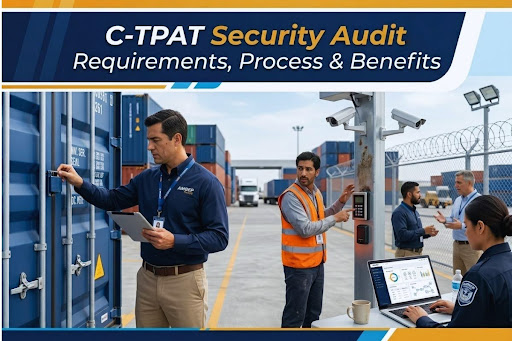
C-TPAT (Customs-Trade Partnership Against Terrorism) is a voluntary supply chain security program led by U.S. Customs and Border Protection to protect goods entering the United States from security threats.
The program was introduced to strengthen border security by partnering with private companies involved in international trade. Instead of relying only on inspections at ports, C-TPAT focuses on securing the entire supply chain from origin to destination.
Who Needs C-TPAT?
C-TPAT applies to a wide range of supply chain participants, including:
- Importers
- Exporters
- Customs brokers
- Freight forwarders
- Manufacturers and suppliers
- Third-party logistics providers (3PLs)
Why C-TPAT Matters
C-TPAT plays a critical role in medical device and global supply chain compliance, especially for companies exporting to the U.S.
- It helps reduce risks like cargo tampering, smuggling, and unauthorized access
- It improves supply chain visibility and control
- It ensures compliance with U.S. import security standards
For businesses, C-TPAT is more than a security program. It is a strategic advantage.
What Is a C-TPAT Security Audit?
A C-TPAT security audit is a structured assessment of your company’s supply chain security practices, policies, and partner compliance.
It ensures that your operations meet C-TPAT minimum security criteria, including physical security, personnel screening, cargo handling, and IT security.
Unlike ISO or FDA audits, C-TPAT focuses specifically on supply chain security rather than product quality or regulatory compliance.
There are three forms of C-TPAT security audits:
1. Internal C-TPAT Audit
An internal audit is conducted by your own compliance or security team.
- Helps identify gaps before official validation
- Ensures ongoing compliance with C-TPAT requirements
- Should be performed regularly as part of your security program
This is your first line of defense in maintaining a secure and audit-ready supply chain.
2. Third-Party C-TPAT Audit
A third-party audit is conducted by external experts or inspection agencies.
- Provides an unbiased evaluation of your security practices
- Commonly used to audit overseas suppliers and partners
- Helps verify compliance across the entire supply chain
This is especially important when working with suppliers in regions like Mexico or Asia, where on-ground verification is critical.
3. CBP Validation Audit
The most important audit is the validation conducted by U.S. Customs and Border Protection.
- Required after joining the C-TPAT program
- Determines whether your company meets certification standards
- May include on-site inspections, document reviews, and interviews
CBP validations are not just a formality. They assess whether your security measures are effectively implemented in real operations.
C-TPAT Audit Requirements and Key Security Areas
A C-TPAT security audit evaluates your entire supply chain, not just your internal operations. The goal is to ensure that every stage, from suppliers to final delivery, meets strict security standards.
Below are the key areas auditors focus on during a C-TPAT audit:
Business Partner Requirements
- Supplier screening and verification
- Written agreements for compliance
- Ongoing monitoring of partner security practices
Container and Cargo Security
- Container inspection procedures
- Use of high-security seals (ISO 17712 compliant)
- Tamper detection and prevention
Physical Security
- Facility perimeter controls
- Surveillance systems such as CCTV
- Restricted access to sensitive areas
Access Controls
- Employee ID systems
- Visitor logs and authorization
- Controlled entry points
Personnel Security
- Background checks during hiring
- Employee verification procedures
- Secure termination processes
Procedural Security
- Documented shipping and receiving procedures
- Cargo verification processes
- Discrepancy handling protocols
IT and Cybersecurity
- System access controls
- Data protection policies
- Cybersecurity awareness
Security Training and Awareness
- Employee training programs
- Threat awareness education
- Incident reporting procedures
These areas form the foundation of C-TPAT audit requirements and are closely evaluated during validation.
C-TPAT Security Audit Process Step by Step
Understanding the C-TPAT audit process helps you prepare effectively and avoid last-minute surprises. Whether it’s an internal review or a validation by U.S. Customs and Border Protection, the process generally follows these key steps.
1. Risk Assessment
The audit begins with identifying potential risks in your supply chain.
- Evaluate high-risk suppliers and regions
- Assess vulnerabilities in logistics and handling
- Identify weak points in security controls
This step sets the foundation for the entire audit.
2. Documentation Review
Auditors examine your policies and records to verify compliance.
- Security procedures and manuals
- Training records
- Supplier compliance documentation
- Incident and audit reports
Documentation must be accurate, complete, and up to date.
3. On-Site Inspection
A physical inspection of your facility and operations is conducted.
- Review access controls and surveillance systems
- Inspect cargo handling and storage areas
- Verify container inspection processes
This step confirms whether your procedures are actually implemented.
4. Employee Interviews
Auditors interact with staff to assess awareness and execution.
- Do employees understand security procedures?
- Can they explain their roles clearly?
- Are processes followed consistently?
This is where many companies fail despite good documentation.
5. Audit Findings and Report
After evaluation, auditors provide a detailed report.
- Identified gaps and risks
- Severity levels of issues
- Recommendations for improvement
6. Corrective Actions
Companies must address all findings to meet compliance.
- Fix identified vulnerabilities
- Update procedures and controls
- Train staff where needed
A C-TPAT audit is not just a checklist. It is a full evaluation of how well your security system works in real-world conditions across your entire supply chain.
Benefits of C-TPAT Certification and Audit Compliance
According to U.S. Customs and Border Protection, C-TPAT-certified companies are considered low-risk and are therefore less likely to be selected for cargo inspections, resulting in faster clearance and fewer delays.
Passing a C-TPAT security audit offers significant advantages:
- Faster customs clearance and reduced inspections
- Priority processing at U.S. ports of entry
- Lower risk of shipment delays
- Stronger relationships with global partners
- Competitive advantage in international trade
- Reduced operational costs due to fewer disruptions
For importers, C-TPAT is not just compliance—it is a business growth strategy.
Expert Insight: Where Companies Fail in C-TPAT Audits
Many companies believe that having documented security policies is enough to pass a C-TPAT audit. In reality, most failures occur due to gaps between written procedures and actual implementation.
Here’s where companies typically fall short:
Supplier security is not properly verified
Businesses rely on supplier declarations instead of conducting real audits or on-site inspections. Security-related gaps at the supplier level are one of the most common causes of C-TPAT audit failures.
Procedures exist, but are not followed consistently
Security steps like container inspections or access controls are skipped or inconsistently applied
Employees lack awareness
Staff cannot clearly explain security protocols or their responsibilities during audits
Documentation is not audit-ready
Records are incomplete, outdated, or difficult to retrieve during inspection
Weak incident reporting and response
Companies fail to document or properly handle security incidents and discrepancies
For a step-by-step approach to evaluating suppliers, explore our Supply Chain Audit Checklist for Buyers to ensure nothing is overlooked during your audits.
How to Prepare for a C-TPAT Security Audit
Preparing for a C-TPAT security audit requires more than having policies in place. You need a system that is actively implemented, monitored, and audit-ready at all times.
Build a Secure Supply Chain Framework
- Align your processes with C-TPAT minimum security criteria
- Standardize security procedures across all facilities
- Ensure consistency from suppliers to final delivery
Conduct Supplier Security Audits
- Verify that suppliers meet C-TPAT requirements
- Perform regular audits, especially for overseas partners
- Maintain documentation of supplier compliance
Your supply chain is only as strong as your weakest partner.
Train Your Employees
- Educate staff on security protocols and responsibilities
- Conduct regular training and awareness sessions
- Ensure employees can confidently explain procedures during audits
Maintain Audit-Ready Documentation
- Keep policies, procedures, and records updated
- Ensure easy access to audit documents
- Maintain logs for training, inspections, and incidents
Perform Mock Audits
- Simulate real C-TPAT audits and inspections
- Identify gaps before official validation
- Improve response time and team readiness
Focus on High-Risk Areas
- Container and cargo inspections
- Access control systems
- Supplier verification
- Incident reporting processes
Preparation is not about passing one audit. It is about building a secure, consistent system that works across your entire supply chain every day.
To streamline your audit process, you can use our Supplier Audit Report Template to document findings and ensure consistent compliance across your supply chain.
Role of Third-Party Audit Providers
Many companies rely on external partners to manage C-TPAT audits, especially when dealing with complex or international supply chains.
While internal audits are important, they are often not enough. Internal reviews may miss gaps in execution, and they typically do not provide independent verification of supplier compliance.
Third-party audit providers help bridge this gap by offering objective, on-ground assessments. This is critical because U.S. Customs and Border Protection expects companies to verify supplier-level security, not just rely on declarations or internal checks.
Third-party auditors support compliance by:
- Conducting supplier audits in overseas locations
- Verifying the real implementation of security procedures
- Identifying hidden risks across the supply chain
- Supporting audit preparation and corrective actions
This is especially important for companies sourcing from regions like Mexico or Asia, where physical verification of supplier practices is essential.
Secure Your Supply Chain with AMREP Mexico
A C-TPAT security audit is essential for building a secure and compliant supply chain. It helps reduce risks, speed up customs clearance, and strengthen trust with authorities like U.S. Customs and Border Protection.
For companies sourcing from Mexico, AMREP Mexico offers customised supplier audits aligned with C-TPAT requirements, helping you identify risks and ensure compliance across your supply chain.
Get in touch with AMREP Mexico to identify supplier risks early, ensure C-TPAT compliance, and avoid costly delays at U.S. borders.