How to Prepare for a Garment Inspection in Mexico: Buyer and Supplier Checklist
Preparing for a garment inspection in Mexico requires clear communication and careful preparation from both buyers and suppliers. Buyers must provide approved samples, detailed specifications, and clear quality standards. Suppliers should ensure production readiness, have spec sheets, approved samples, and test reports on hand, and maintain a clean inspection area.
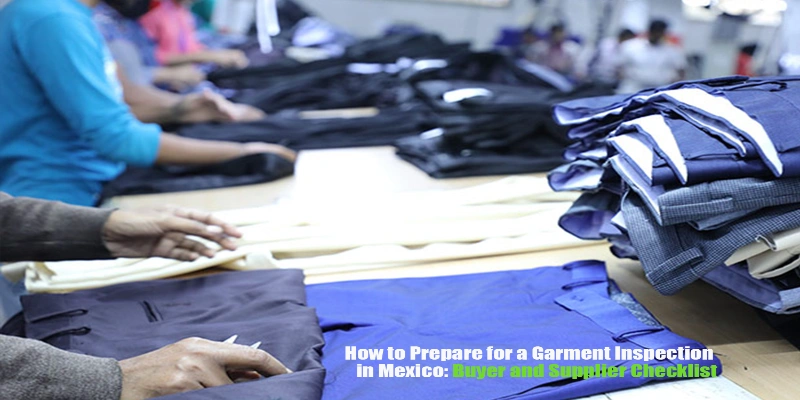
Both parties must agree on inspection criteria, such as Acceptable Quality Limits (AQL), and be ready for checks on fabric quality, stitching, color consistency, labeling, and garment measurements. By working together and following a structured approach, buyers and suppliers can ensure smooth inspections and prevent costly delays or quality issues.
This Garment inspection guide offers a checklist for preparing for a garment inspection in Mexico, enabling buyers and suppliers to ensure a smooth process.
Preparing for a Garment Inspection: A Checklist for Buyers
When sourcing garments from Mexico, buyers must ensure that the final products meet the required standards before shipping them to customers. Proper preparation can save time, reduce costs, and prevent quality issues that could harm your reputation. Below is a comprehensive Garment Quality Control Checklist for buyers to follow when preparing for a garment inspection in Mexico.
1. Define Your Inspection Criteria
Before the inspection, it is essential to establish clear criteria to ensure the garments meet your quality standards. This includes:
- Quality Standards: Outline specific expectations for fabric, stitching, color matching, and finishing details. For example, if sourcing denim jeans, ensure the fabric weight, stitching type (e.g., double-needle), and thread color match the sample provided.
- Compliance with Regulations: Ensure garments meet legal requirements, including those outlined in the USMCA and other industry-specific standards. For example, ensure that garments meet U.S. labeling regulations for fiber content, country of origin, and care instructions, or EU safety standards for children's clothing.
- Ethical and Environmental Considerations: Confirm that suppliers follow fair labor practices and use sustainable materials. For instance, ensure the supplier is certified by organizations such as Fair Trade, and that the cotton used is organic and certified to the Global Organic Textile Standard (GOTS).
2. Select the Right Inspection Type
Depending on the stage of production, buyers should choose the appropriate type of inspection to ensure optimal results:
- Pre-Production Inspection (PPI): Verifies material, equipment, and processes before manufacturing begins. For example, if sourcing a new style of jackets, ensure the supplier has the appropriate fabric, zippers, and other components in stock to meet the specifications.
- During Production Inspection (DPI): Reviews the production process halfway to catch any issues early. For example, if an initial batch of shirts shows inconsistent color dyeing, a DPI can help identify the issue before the entire order is affected.
- Final Random Inspection (FRI): Conducted after production to ensure the final batch meets all specifications. For instance, when producing a large order of t-shirts, the inspector randomly selects garments to verify stitching, sizing, and labeling accuracy, ensuring that all pieces align with the approved sample.
3. Communicate Expectations Clearly
Clear and open communication is key to a successful inspection. Buyers must ensure that suppliers fully understand what is expected by:
- Sharing Specifications: Provide detailed product specifications, including measurements, fabric, and labels. For example, send a specification sheet for a women's blouse that details the sleeve length, fabric weight, and required label information (e.g., brand, care instructions, and country of origin).
- Providing Samples: Share approved samples to ensure consistency in production. For instance, provide a physical sample of a dress that includes the fabric's feel, color, and stitching pattern to help suppliers meet your exact requirements.
- Setting Deadlines: Agree on clear timelines for both production and inspection to avoid delays. For example, if the inspection is scheduled a week before the shipment date, ensure that production is completed at least two weeks in advance to allow for any necessary rework.
4. Choose an Inspection Service Provider
While you can choose to conduct in-house inspections, working with an experienced third-party inspection service can ensure more objective and thorough checks. Consider these factors:
- Third-Party Inspection Companies: Use independent services for impartial and thorough inspections. For example, hiring a company like SGS or Bureau Veritas, which specializes in garment inspections, ensures unbiased results and reduces the risk of conflicts of interest.
- Local Inspectors: Select inspectors who are familiar with Mexican manufacturing and regulations for more accurate assessments. For instance, a local inspector in Mexico can better understand the region's standard production practices, helping to identify potential risks related to labor laws or regional fabric sourcing.
5. Schedule the Inspection in Advance
Proper timing is critical for a successful inspection. Buyers must plan to ensure the inspection occurs at the right moment in the production process:
- Lead Time: Schedule inspections well in advance to allow enough time for any necessary corrections. For example, schedule the inspection at least one week before the shipping date to leave time for potential fixes if any issues are discovered.
- Align with Production: Ensure inspection dates align with the production stage to minimize disruptions and ensure adequate quality checks. For instance, if scheduling a final random inspection, it should happen after the final garment has been completed and packed, but before it is shipped to ensure that no packaging issues or defects remain.
Preparing for a Garment Inspection: A Checklist for Suppliers
When preparing for a Mexico Apparel Quality Control Inspection, suppliers must ensure that products are fully ready for evaluation and meet the buyer's quality standards. Proper preparation helps prevent delays, reduces defects, and strengthens relationships with buyers. Below is a comprehensive checklist for suppliers to follow before an inspection.
1. Ensure Production is on Track
Suppliers must make sure that the production process is completed and that any quality issues are resolved before the inspector arrives:
- Complete Production: All garments should be finished and ready for inspection. It includes final stitching, attaching labels, completing packaging, and ensuring that all accessories, such as buttons, zippers, or trims, are correctly installed and in their designated places. For example, when producing denim jackets, confirm that every seam is even, rivets are secure, and pockets align precisely with the approved sample.
- Address Quality Issues: Identify and fix defects such as uneven stitching, sizing errors, color mismatches, or fabric flaws before the inspection. Conduct a pre-check to catch these issues early, ensuring that the inspector only sees garments that meet the buyer's standards.
2. Review Product Specifications
Before the inspection, suppliers must carefully verify that all garments match the buyer's specifications:
- Match Approved Specifications: Compare each batch against approved samples and specifications sheets to ensure accuracy and consistency. This includes checking the correct sizes, color accuracy, fabric type, stitching, and labeling. For example, when producing polo shirts, confirm that the fabric color matches the swatch, logos are correctly positioned, and care labels are accurate and compliant with buyer instructions.
- Confirm Consistency Across the Batch: Ensure that all garments within the batch maintain uniformity, so the inspector does not find variations in color, stitching, or finishing details between units.
3. Conduct Internal Quality Control
A thorough internal process of quality control of garments ensures that defects are caught before the official inspection:
- Identify and Correct Defects: Conduct a detailed pre-inspection on a sample or a random selection of units to identify stitching errors, sizing deviations, fabric flaws, or missing components. For instance, check that buttons are securely attached, hems are straight, and colors are consistent across the batch.
- Ensure Machinery and Workforce Alignment: Verify that machinery is calibrated correctly and that production staff consistently adhere to established quality standards. Proper training and alignment reduce the likelihood of defects, ensuring that the final output is uniform.
4. Have Documentation Ready
Suppliers must organize all necessary documentation for review during the inspection:
- Prepare Required Documents: Gather certificates, invoices, and production records in advance. For example, provide fabric certificates, testing reports for durability or colorfastness, and invoices to confirm the batch matches the buyer's order.
- Keep Records of Past Checks: Maintain a history of internal quality checks to demonstrate consistency and compliance with buyer standards. Inspectors frequently seek evidence of ongoing quality management processes.
5. Organize the Inspection Area
A well-prepared inspection area helps the inspector evaluate products efficiently:
- Prepare an Accessible and Clean Space: Ensure the inspection area is free of clutter, well-lit, and provides easy access to all products. It allows the inspector to move freely and review garments systematically.
- Maintain Garment Condition: Display samples and finished products neatly, free of dust, wrinkles, or damage. For instance, fold t-shirts properly, hang jackets on hangers, and clearly label samples for easy comparison with approved specifications.
6. Train Your Team
All factory staff should understand the inspection process and their role in ensuring a smooth evaluation:
- Educate Staff on Importance: Train employees on the importance of inspections, their impact on buyer relationships, and the standards expected for each product.
- Train staff on Product Presentation and Handling: Teach them how to present garments professionally, handle products without causing damage, and respond accurately to inspector questions. For example, staff should know how to present a garment for accurate measurements, demonstrate stitching quality, or display labels without compromising the product's condition.
You can also read our blog on the Supplier onboarding checklist for further clarification.
Common Pitfalls and How to Avoid Them
Even with preparation, buyers and suppliers can encounter challenges during inspections. Awareness of these pitfalls helps prevent delays and errors.
Common Pitfalls
Here are some common challenges buyers and suppliers face during garment inspections in Mexico:
- Poor Communication: Misunderstandings about specifications or timelines can result in rejected shipments.
- Inconsistent Quality Control: Skipping mid-production checks can allow defects to go unnoticed.
- Weak Supplier-Buyer Relationships: Short-term, transactional partnerships may slow issue resolution.
- Lack of Regulatory Awareness: Ignorance of Mexican trade regulations, labeling rules, or industry standards can lead to compliance issues.
Best Practices to Avoid Pitfalls
To overcome these challenges, here are some best practices buyers and suppliers can follow to ensure smooth garment inspections in Mexico:
- Establish Clear Communication: Share detailed specifications, approved samples, and timelines to confirm a mutual understanding.
- Maintain Consistent Quality Control: Conduct regular checks during production and schedule mid-production inspections to ensure quality control.
- Build Strong Supplier-Buyer Partnerships: Foster trust, accountability, and collaboration to resolve issues efficiently and effectively.
- Stay Informed About Regulations and Standards: Keep updated on labeling, safety, and environmental requirements to ensure compliance.
Partner with AMREP Mexico for Successful Garment Inspections in Mexico
Preparing for a garment inspection in Mexico is essential for both buyers and suppliers to ensure that products meet the highest quality standards, comply with regulations, and are delivered on time. By following the detailed checklists and best practices outlined in this guide, both parties can minimize common pitfalls, improve communication, and build stronger, more efficient relationships. A successful inspection process not only prevents costly delays but also ensures long-term success in garment sourcing.
Ready to ensure top-quality garment inspections in Mexico? AMREP Mexico offers expert quality inspection services that guarantee your products meet the highest standards, comply with regulations, and are delivered on time.